



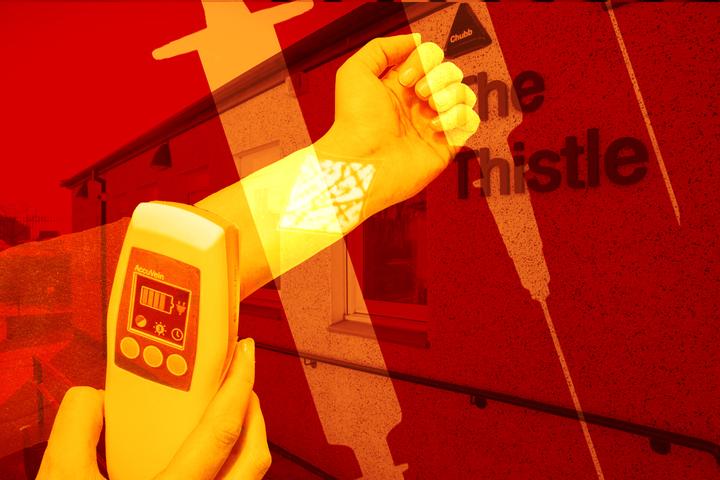


Tomorrow marks one year since the opening of Glasgow’s Safer Drug Consumption Facility, the Thistle.
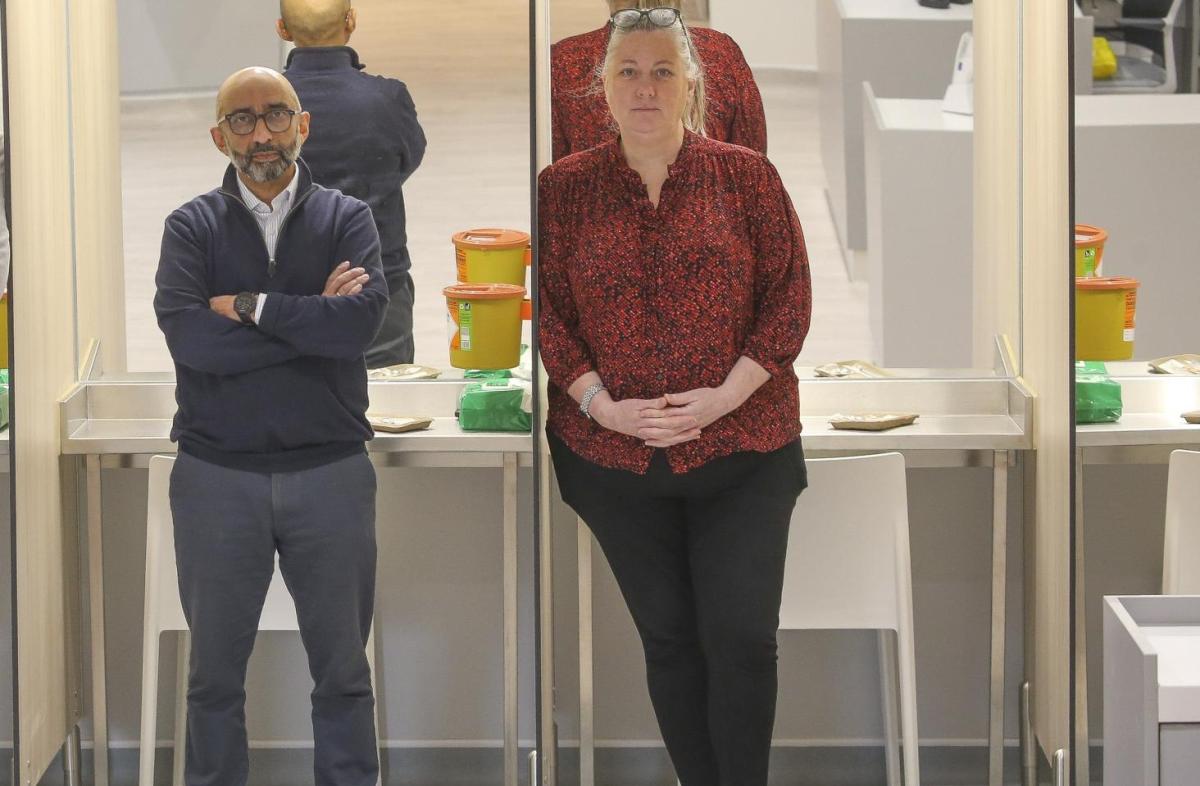
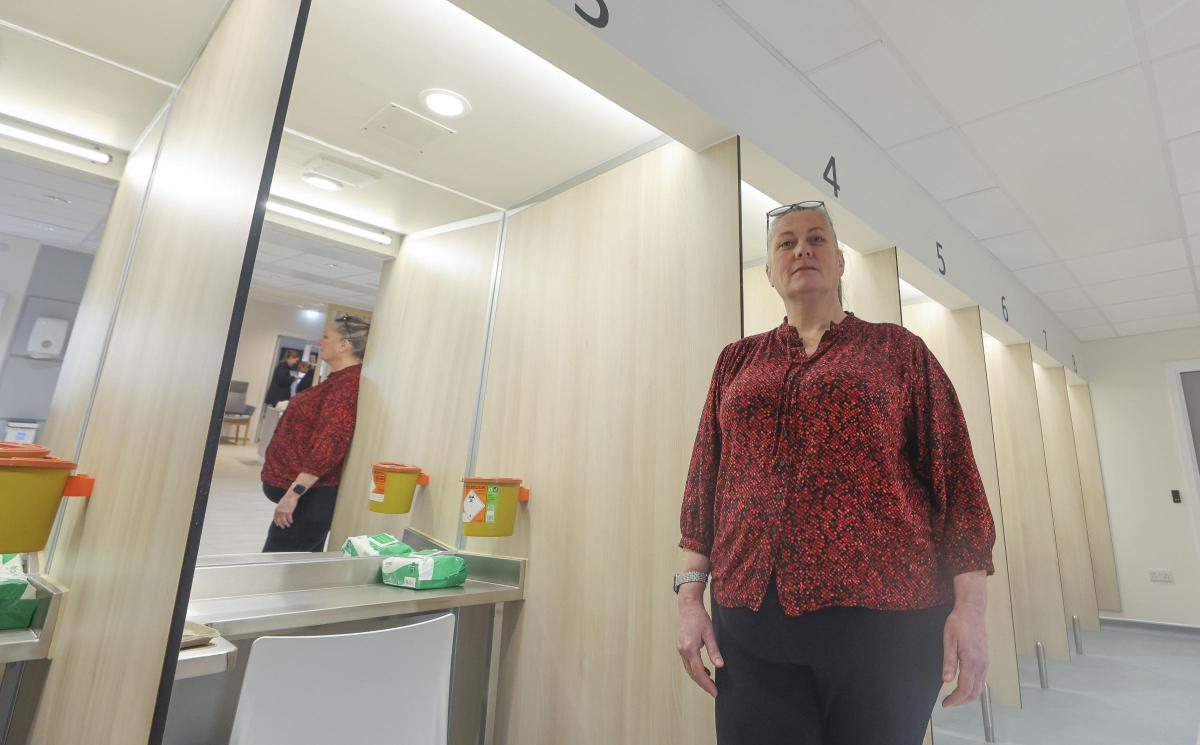
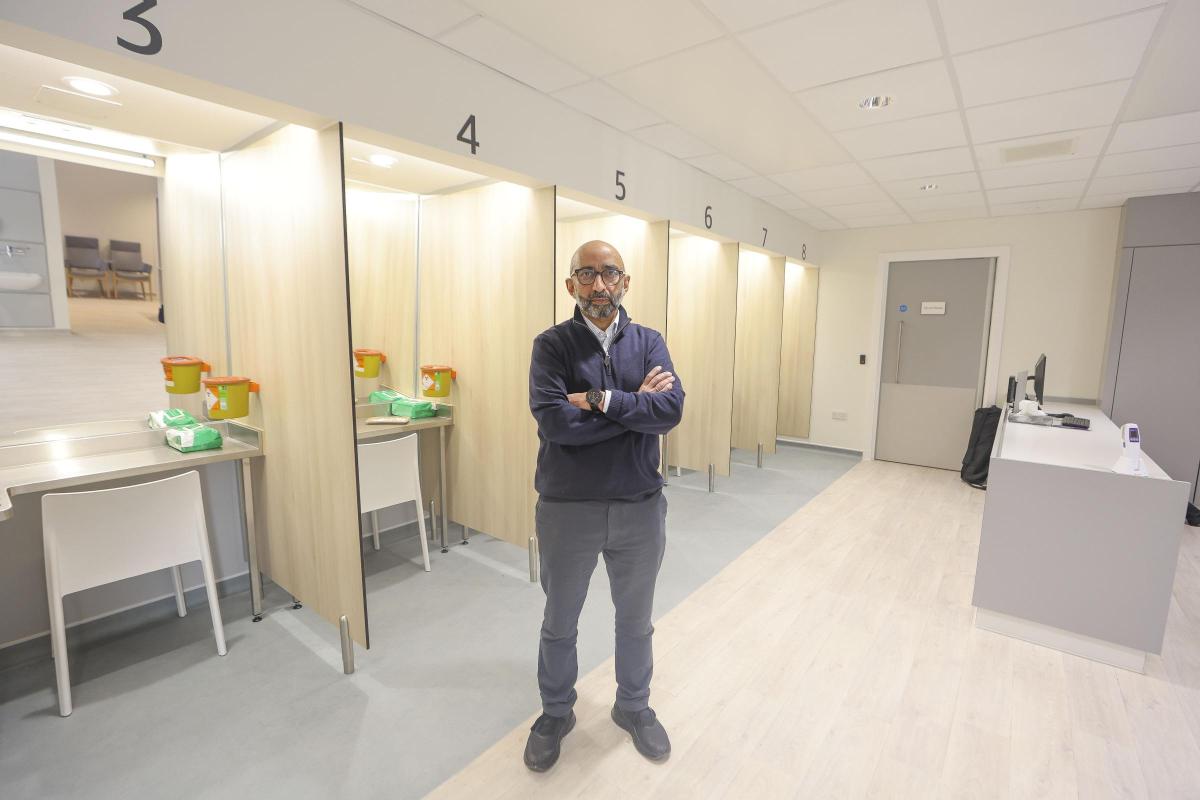
As part of a series looking at the centre one year on, the Glasgow Times spoke to two of the people responsible for the operation of the service.
They said the centre has to be considered a success so far and that it has undoubtedly saved lives.

Dr Saket Priyadarshi, associate medical director at Glasgow Health and Social Care Partnership, said the first year has been about embedding the service into the health service in the city but that it has “exceeded expectations”.

He said after a “sometimes frustrating” decade leading up to finally getting it off the ground, the first year has gone well.
Dr Priyadarshi said: “A year down the line, I am very pleased to see it being embedded as part of our wider system of care in Glasgow for vulnerable people who use drugs.
“I think, gone very promisingly. It's a long-term project, so the first year was about embedding the service, about making sure that we could deliver it safely and effectively and engage with the target population that we were hoping to engage with, and then to take the learning from that year and develop the service further as required.”
“From that point of view”, he added, “I think it's probably exceeded expectations.”
More than 500 people have used the Thistle in the first year and more than 7000 injecting episodes have taken place.
Dr Priyadarshi added: “Those are injecting episodes that would, in previous years, have happened outdoors in public places.”

More than 90 emergencies were also dealt with where people were at risk of an overdose.
When asked if the centre has saved lives, Lynn Macdonald, service manager at the Thistle, said: “I would suspect so, yes."

She said: "I mean, obviously, we can't definitively say that the overdoses we've dealt with would have ended in fatalities, but it's highly likely at least a number of them would have. I would suggest yes.
“I think it definitely has for some people.”
Dr Priyadarshi agreed and said it was about more than the overdose incident itself.
He said: “There's two aspects to that. One is obviously the management of the medical emergencies that happen.
"And undoubtedly, there were some medical emergencies that I think it's very difficult to see how they would have been anything other than fatalities outside the service.
"Of course, nobody can prove that but there were very severe overdoses."

He said engagement with the service can also reduce their risk of a drug-related death.
He added: "The medical emergency management of overdoses is one aspect, but the other aspect is if people are using such a service, building up relationships, getting access to wider services and supports, that has an impact on their risk behaviours generally.
“If some of them go into treatment and care, that reduces their risks very significantly as well. So, there's a direct and indirect effect on probable drug-related death risks of a facility like this.”
The wider support beyond the act of injecting drugs is an area where Ms Macdonald says has been a big success for those using the service.
The Thistle, the team are keen to point out, is more than a space where people come and inject illegal drugs under supervision.
She said: “People see it as a safe place to go for a number of things, whether it be that shower, a snack and hot drinks and clean clothes. But what we always aimed to do was make people feel that they were listened to, they were heard, treat people with dignity and respect, and I think we're getting that right.”
Getting people through the doors and then referring them on to other services they need, including but not limited to drug treatment services, has been a key aim.
A criticism has been that the centre is not getting people off drugs, however, the team says, based on evidence, this is a longer-term aim and that so far they are pleased with the numbers being referred to other services.
Ms Macdonald said: “Our colleagues at an international level told us it'll be weeks, maybe months, before you start getting people referred on.
“And within the first quarter, we were having people asking for referrals on.”
In total, more than 600 referrals have been made to various services from the Thistle.
She added: “Far and away, the biggest area for referrals is housing, and that's what people are looking for support with.
In terms of care and treatment services, I think we've had over 300 referrals on to various treatment services. That's a lot.”
She said the outcomes of those would be part of the overall evaluation,
She added: “But anecdotally, we know there are people who are now engaging in services.
“I think that's relatively good numbers, if you think about the numbers coming through the doors.”


Share