




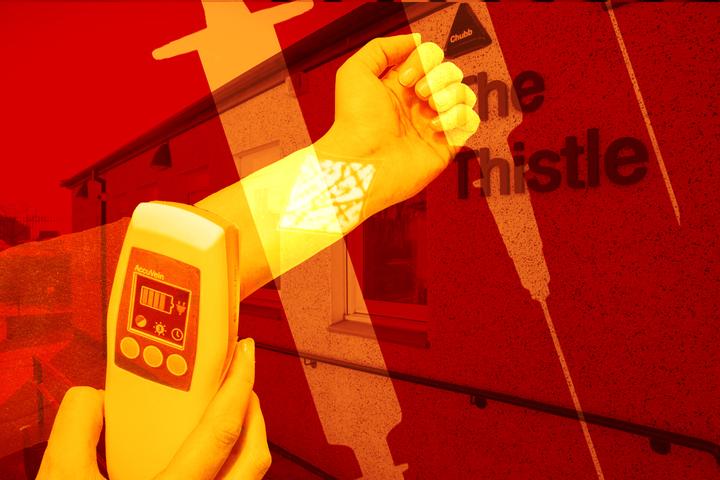

The opening of the Thistle safer drug consumption room was the culmination of a decade-long campaign to create what became a first in the UK.
Glasgow had rocketing drug deaths and had experienced serious HIV and Hepatitis outbreaks as a result of people injecting drugs.
This week, the Glasgow Times is highlighting the Thistle Centre one year on, speaking to the people behind the service, those living with it on their doorstep and asking what the future holds.

Read next:Thistle Drug consumption staff-'it's 'exceeded expectation'
As people are now able to freely walk into the building every day with heroin or cocaine in their possession without fear of prosecution, it was not certain that it would ever be allowed.
Health experts and officials, backed by many politicians, had called on the UK Home Office to give permission for a facility to be opened.
The problem of outdoor and public injecting was also a serious problem for communities, notably in the Calton area in the east end of Glasgow and some lanes in the city centre.
Many countries around the world had drug consumption rooms and were able to show lives were saved when someone overdosed.
The target population was the 500 or so people identified as problem drug users injecting in and around the city centre.
That matches roughly the number who have accessed the service since it opened and no one has died from an overdose inside the facility.

The Home Office steadfastly refused to give its backing or allow drug laws to be relaxed to allow people to access a facility or for staff to work there while illegal drugs were taken.
James Wolfe, Scotland’s Lord Advocate in 2020, also refused to give an undertaking that presumed against prosecuting users going to the centre.
He said in order to open a drug consumption facility, the Misuse of Drugs Act 1971 would need to be amended.
He said: “The introduction of such a facility would require a legislative framework that would allow for a democratically accountable consideration of the policy issues that arise and would establish an appropriate legal regime for its operation.”

But the UK Government steadfastly refused and took a criminal justice approach rather than treat drug deaths as a public health issue.
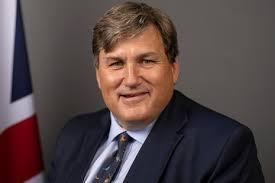
Kit Malthouse, then minister for drugs and policing, said such facilities were a “distraction” and “a more assertive approach was needed”.

Police in Scotland supported a centre opening and following drug death summits in Glasgow, momentum was growing.
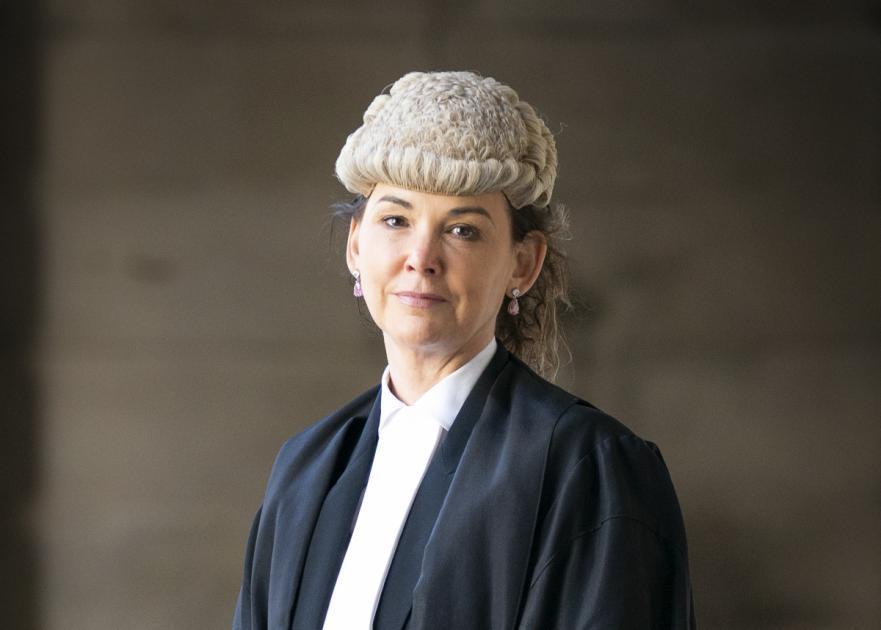
The deadlock was broken in 2023 when a new Lord Advocate, Dorothy Bain, issued a statement of prosecution policy that people using the facility would not be prosecuted.

Within two years, the centre was opened under a three-year pilot funded with up to £2.3m a year from the Scottish Government.
The aims were focused on the users, communities and the wider society.
When it finally opened, Allan Casey, Glasgow City Council convenor for addiction services, said: “We know from other safer drug consumption rooms in operation across the world that they do make a difference - they do improve the lives of people struggling with addiction, as well as easing pressure on frontline emergency services.
"We know this is not a silver bullet - but having a facility that is safe, hygienic and medically supervised will go a long way towards reducing drug-related overdoses, injection-related wounds and infections, and the negative impact that injecting outdoors has on local residents, communities and businesses. We know there are mixed views about having a SDCF, but I am confident we will see the benefits very quickly."
While the UK Government was opposed on political grounds, and drug deaths were still rising not everyone involved in a public health approach to reduce drug deaths was convinced it was the right strategy.
Many local people have opposed it and fear it has increased drug taking and dealing in the area.
And in a city-wide sense, drug deaths have remained stubbornly high.
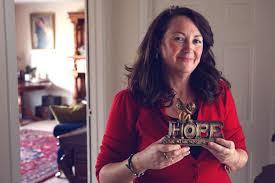
Annmarie Ward, of Faces and Voices of Recovery, warned the strategy was “effectively condemning people to a life of dependency” and failed to address the root causes of addiction.

The long-time advocate of recovery services said at the time: “The disproportionate focus on harm reduction, which is important for managing immediate risks, has created a massive gap in recovery-oriented services.”
Ms Ward remains critical of the Thistle and continues to push the Scottish Government for more money to be invested instead in residential rehab services that get people off drugs completely.
She highlights that drug deaths are still rising and says the Thistle is not leading to people getting into rehab.
Speaking after nine months of the service, she said: “This isn’t compassion; it’s the most expensive form of neglect Scotland has ever devised.
“We’re spending more to keep people unwell than it would cost to help them recover. For the price of one year of ‘safe injecting,’ we could fund five full rehab places that actually save lives.”


Share