



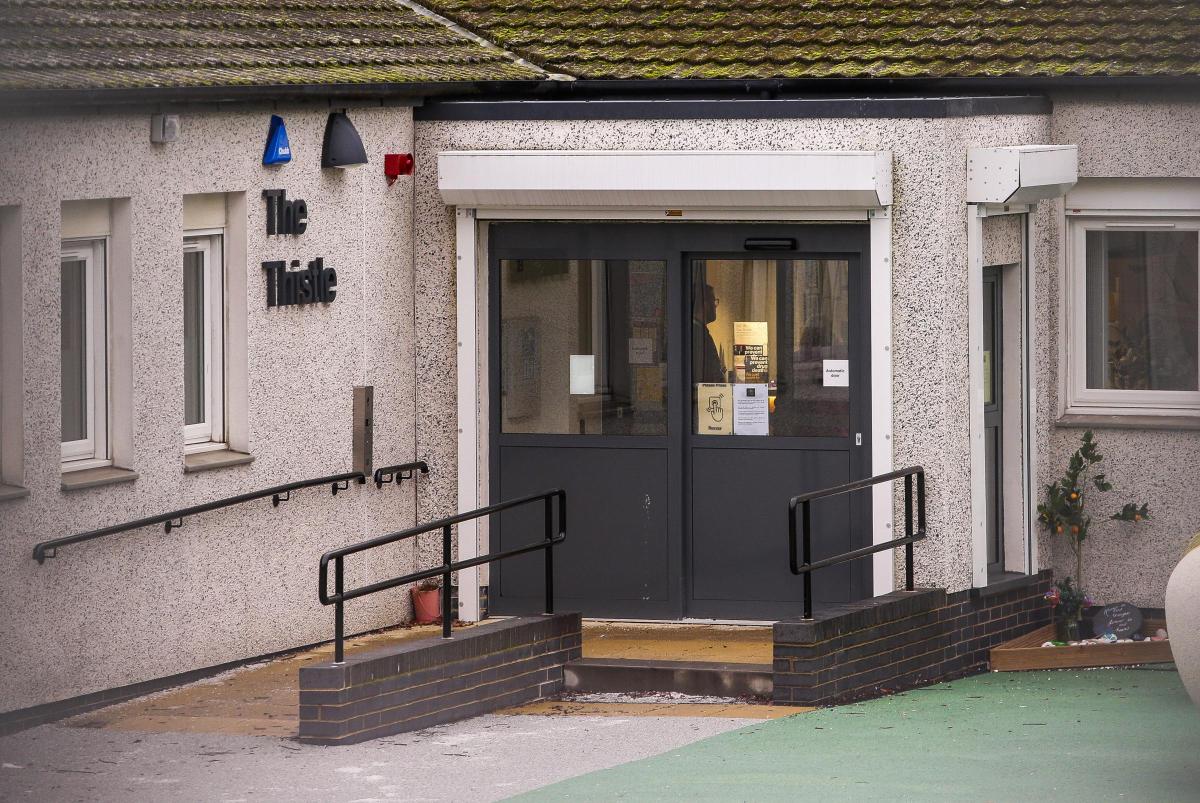

Drug deaths in Glasgow are expected to increase in the first year since the Thistle safer drug consumption facility opened.
However, the management said the service is working for those who use it and there needs to be realistic expectations of what impact the centre will have overall.
The centre was opened after a decade-long battle, following years of shockingly high drug deaths and HIV and Hepatitis outbreaks in the city.

This week the Glasgow Times is looking at one year since the Thistle opened its doors, speaking to the team behind it and people who live and work nearby.
Read next:
'This has saved lives'- Drug consumption facility staff speak one year on
The battle to open the Thistle- is it achieving what it set out to do?
Between January 13 and December 31 last year, the Thistle had 560 unique users come to the centre.
It supervised 7460 injections and dealt with 88 medical emergencies.
December was the busiest month with more than 1000 injections.
In every month since it opened, cocaine was used more than heroin, in line with changing drug patterns in the city.
In 2024, Glasgow witnessed a 25% drop in drug deaths from 246 to 185, considered significant following record-high numbers in previous years.
But in the year since, it is expected the city will see drug deaths go up again.
Police figures on suspected deaths estimated between April and September show an increase in the Greater Glasgow area year on year.
Over the summer, a number of deaths occurred, including on the street, following cocaine contaminated with potentially deadly nitazenes being in circulation.
The team behind the Thistle centre states there is a difference between the people using the centre and the larger city-wide drug injecting population.

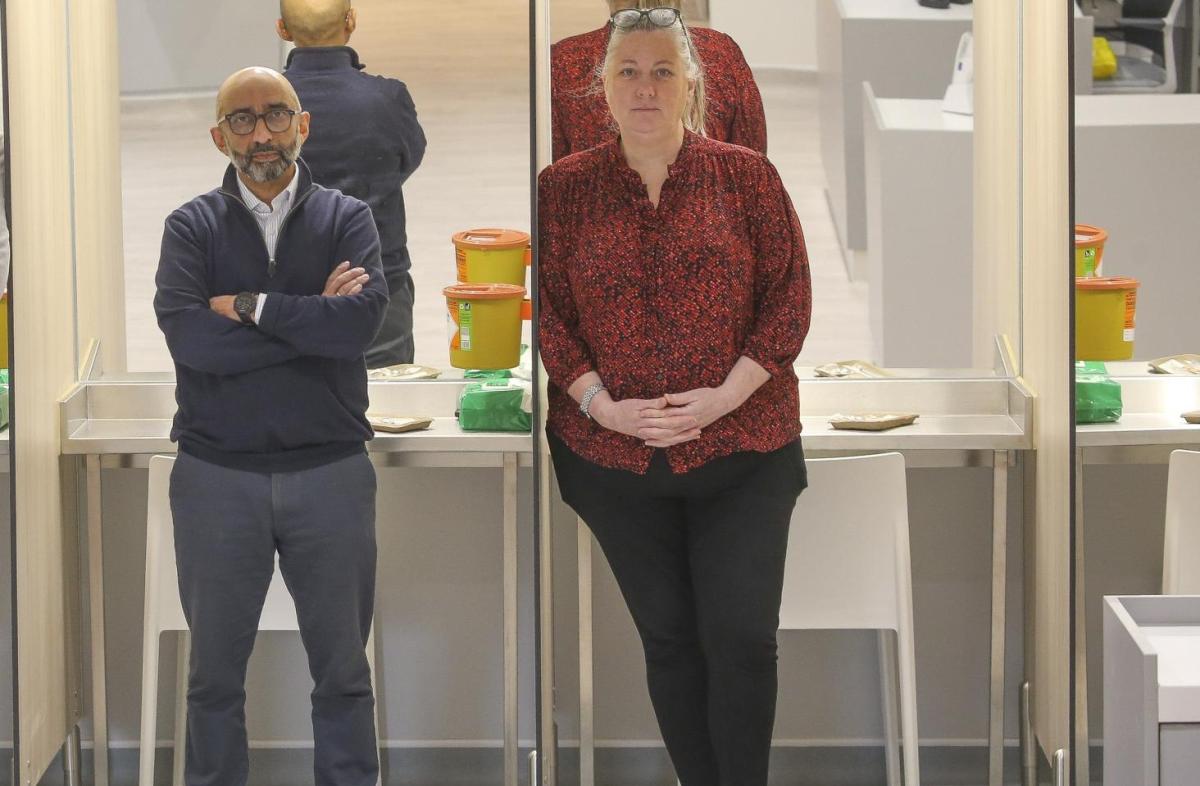
Saket Priyadarshi, associate medical director at Glasgow Health and Social Care Partnership, said: “In 2024, we had very large reductions in drug-related deaths in Glasgow city.
“We know that 2025 has probably not been such a positive year.
“The suspected drug-related death figures will come out in due course but some of the data seems to suggest if anything, things have either levelled out or they might have increased a bit last year.
“That would be a reflection of the volatility of the drug market and we're just mindful that we implemented the Thistle and we've seen a number of overdoses in the Thistle and I suppose the Thistle only works for a certain population, a small number of people in relation to the wider city population.
“And it might have been very important for that population and reduced fatality rates in them but not had the impact on the wider system.
“So, we just need to be realistic about what its impact is going to be in the circumstances of a citywide prevalence and the volatility in a changing drug market.”

As the centre develops over the remainder of the three year pilot period, there are barriers to overcome to get more people into th e Thistle
Women, in particular, are underrepresented.
So far, 125 women have come to the Thistle compared to 435 men.
Lynn Macdonald, service manager, said: “There are different barriers to women accessing drug and alcohol services.
“Some of those are perceived barriers, but women are often the carer for children, for example, and there's an anxiety there that if you engage with a service, you may become involved in services.
“So we have to make sure that women understand that we're there to help support and work with them.
“It's been a problem for a long time for us, but we just continue to keep working at it and trying to work with people like the Women's Reference Group and Alcohol and Drug Partnership to think about how can we make our services more accessible to women?
"Not asking the women to come and fit in with our services, but asking how we can make the services fit around women in a way that suits them and works for them?”
Scottish Drugs Forum said further development is needed and one centre can't be expected to reverse long-standing trends.
Kirsten Horsburgh, chief executive officer, said: “The opening of The Thistle was an important step forward – not only for Glasgow, but for Scotland and the rest of the UK as a whole.
“Looking at the wider picture, the lessons learned from The Thistle must now be applied at scale.
"A single facility cannot be expected to reverse a public health crisis decades in the making.
"Scotland needs a national network of multi-model safer drug consumption facilities if we are to protect life and reduce harm now.”


Share