



Glasgow has a long and complicated relationship with America.
In fact, the founding of the United States was a disaster for the city’s Tobacco Lords, who depended on enslaved labour, as it negatively impacted on their importing business.
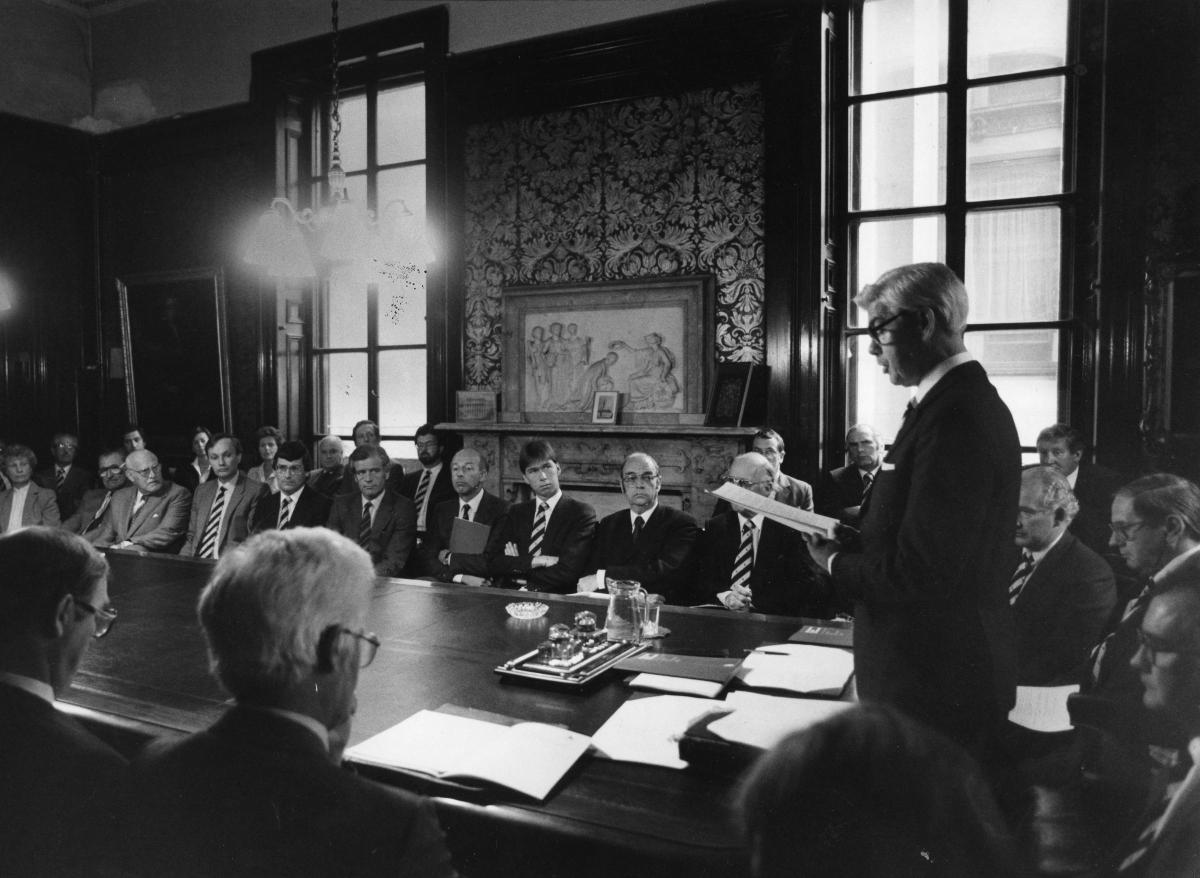
However, the Revolution and its aftermath helped create the Glasgow Chamber of Commerce in 1783. It was the first in Britain and is oldest in the English-speaking world with continuous records.
As Independence Day (July 4) approaches, in this week’s column from Glasgow City Archives, senior archivist Irene O’Brien examines the role Glaswegians played in the American War of Independence and the aftermath of the Revolution.
In December 1777, Glasgow Council resolved and agreed unanimously to give their aid and assistance to government in “quelling the rebellion subsisting in America.”
Glasgow was heavily reliant on America for its trade and commerce, and the city’s merchants were badly impacted by the American War of Independence.
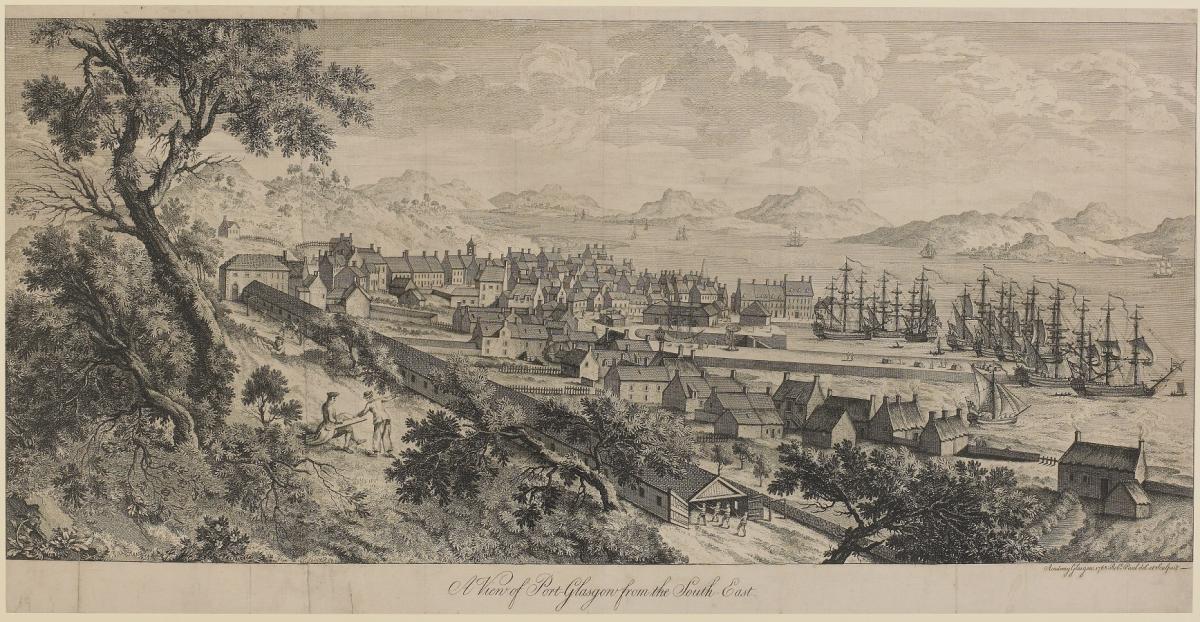
The city was the world centre for the tobacco trade, and relied on imports from the North America colonies.

In terms of American Independence, Scotland and the Scots are often credited for their positive influence. This included the Scots in Congress.
There was also discussion about the influence (often disputed) of the Declaration of Arbroath (1320) on the 1776 Declaration of Independence.
The reality, however, was that many of the Scots in America became Loyalists and participated in large numbers in the armed provincial regiments.
And at home in Glasgow the Council and in particular the city merchants who were among its members, actively supported King George III and the British cause.
On December 26, 1777, the Glasgow Magistrates and Council thought it “proper that the Corporation of the City of Glasgow should at this critical time give their aid and assistance to government in quelling the rebellion now subsisting in America.”
Three days later, the annual committee of the council appointed to consider how far it was to support government, reported their unanimous opinion that the government should be aided by the corporation of Glasgow towards “enabling them to crush the said rebellion in America.”
It was agreed that a battalion of men should speedily be raised by Glasgow, by voluntary subscription, for His Majesty’s service.
And for that purpose, the magistrates and council were authorised to subscribe the sum of £1000 (£240,000 in today’s money) to cover the expense of raising the battalion.

The magistrates also recommended that the Dean of Guild ask the Merchants House and the Deacon Convener of the Trades House to draw up a subscription paper so that the two houses could contribute whatever sums they felt appropriate to the battalion.
On January 9, 1778 the council reported that a considerable sum had been raised, with more to come, and they agreed to present an address to His Majesty in the name of the Council, the Merchants House and the Trades House.
READ NEXT:
-
Why Glasgow streets are in a grid pattern - and the man who helped create it
-
The strange rules Glaswegians had to follow to use wartime air raid shelters
The Council authorised Lord Provost Robert Donald and the Deacon Convener representing the 14 incorporated trades of Glasgow, to immediately go to London to present their address to His Majesty; a testament of the loyalty of Glasgow.

Scottish merchants trading to North America before the War, experienced large losses. A petition was presented to the Merchants House in Glasgow from these merchants, requesting compensation.
The Dean of Guild called a meeting at the request of the Committee of the American Merchants, to consider the propriety of petitioning the government of the United States, to compensate for the losses they sustained by the breach of the fourth Article of the Treaty of Peace between America and the UK.
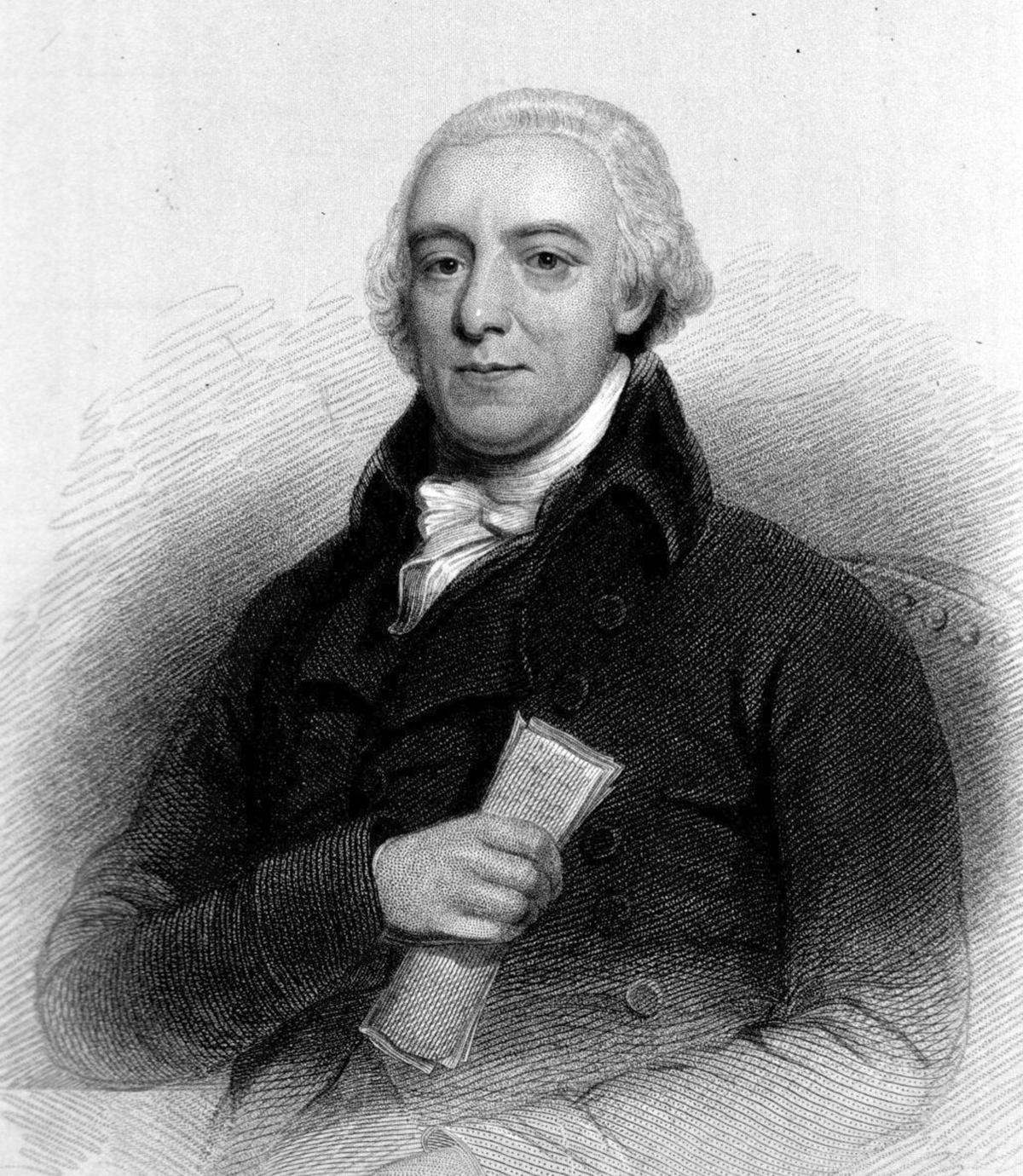
Patrick Colquhoun (1745-1820), a colonial merchant of some importance, was described as a Tobacco Lord. He had spent a period of his youth in Virginia engaged in mercantile pursuits, before returning to Glasgow in 1766.
In 1783 Colquhoun, then Lord Provost of Glasgow, proposed that the commercial communities of Glasgow, Paisley, Port Glasgow and Greenock should form themselves into a body to watch over and take charge of matters relating to their common commercial interests.
Its early activities mirrored that of its members, and especially its first chairman, Patrick Colquhoun; trade with America featured strongly in the early period, especially the tobacco trade.
On the January 1, 1783, the Glasgow Chamber of Commerce held its first meeting in the Town Hall.


Share