



One of Scotland’s most senior police officers has delivered a stark warning on the future of public’s trust in tackling crime.
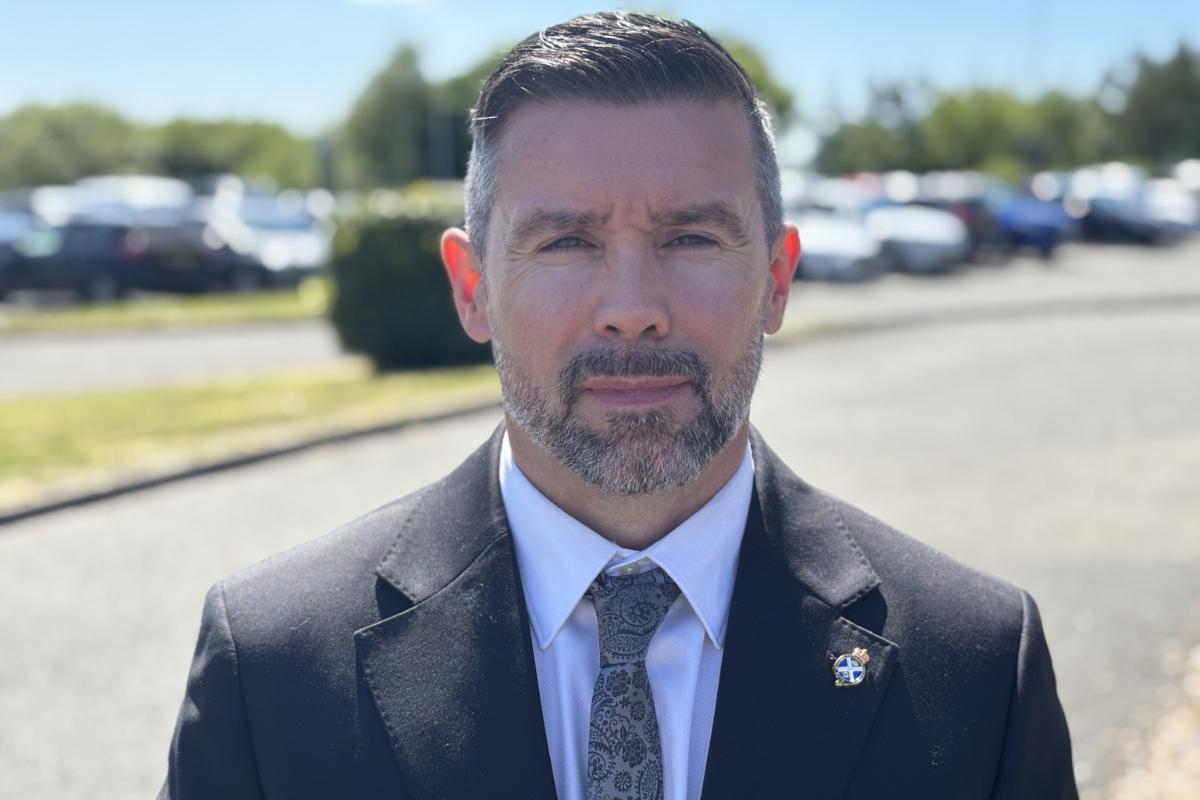
Chief Superintendent Rob Hay, president of the Association of Scottish Police Superintendents, questioned whether more had to be done to convince the public that officers will listen.
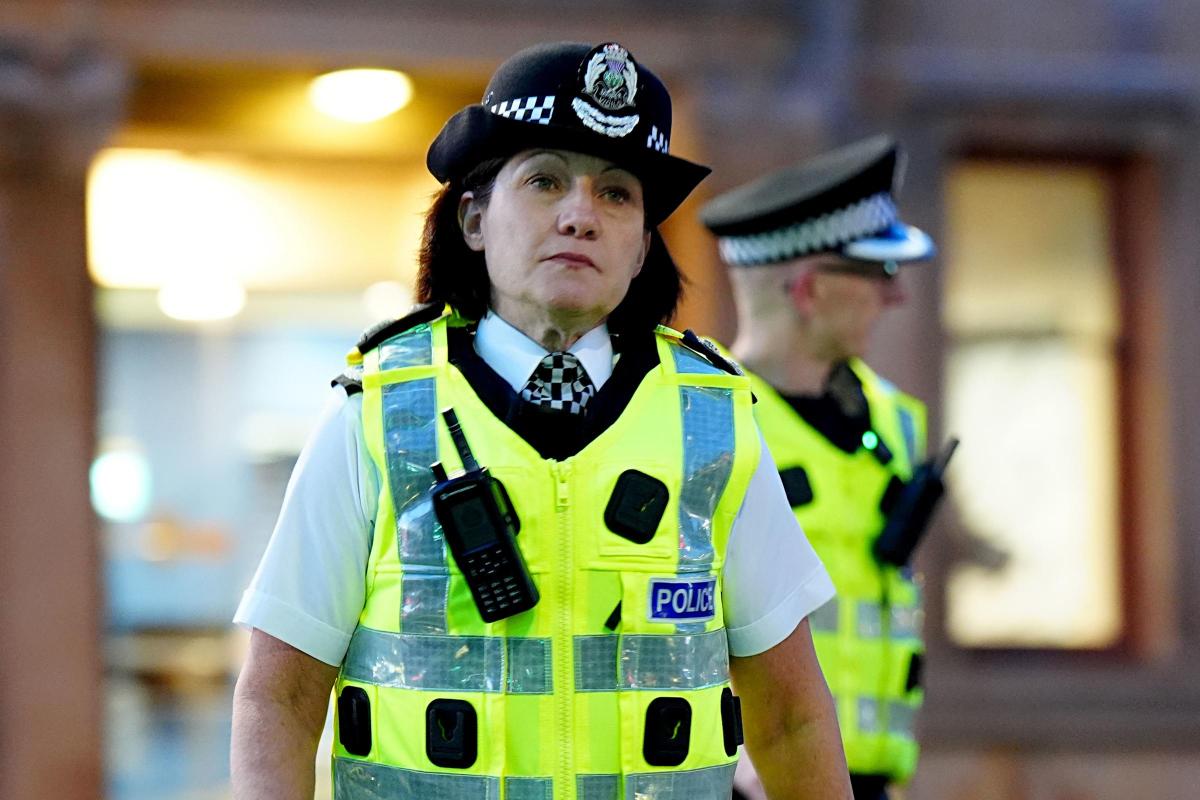
It comes as Chief Constable Jo Farrell – the force’s top officer – told the Scottish Police Authority (SPA) there had been 15,451 fewer arrests where an accused had been brought to a custody centre in 2025-26.
In her annual report, Ms Farrell said there were 83,765 instances of people being taken to a custody centre, down from 99,216 in 2024-25.
On that backdrop, emergency calls to the police increased by 8.6% to 807,130 calls.
The Scottish Government has said more than £1.7 billion has been invested in Police Scotland this year, while officer numbers exceed 16,500.
“The decline in arrest numbers should concern the public,” Mr Hay wrote in a letter to The Herald.

He warned prison overcrowding was influencing on-street police decisions, coupled with the “bureaucratic burden” of the Criminal Justice (Scotland) Act 2016’s “presumption of liberty”, where individuals should generally not be held in custody unless they are considered to pose a safety risk.
He warned it was becoming a “guarantee of liberty”.

He also demanded “meaningful reflection” by Scottish ministers and the police service following the revelations surrounding PC Alan Greer.
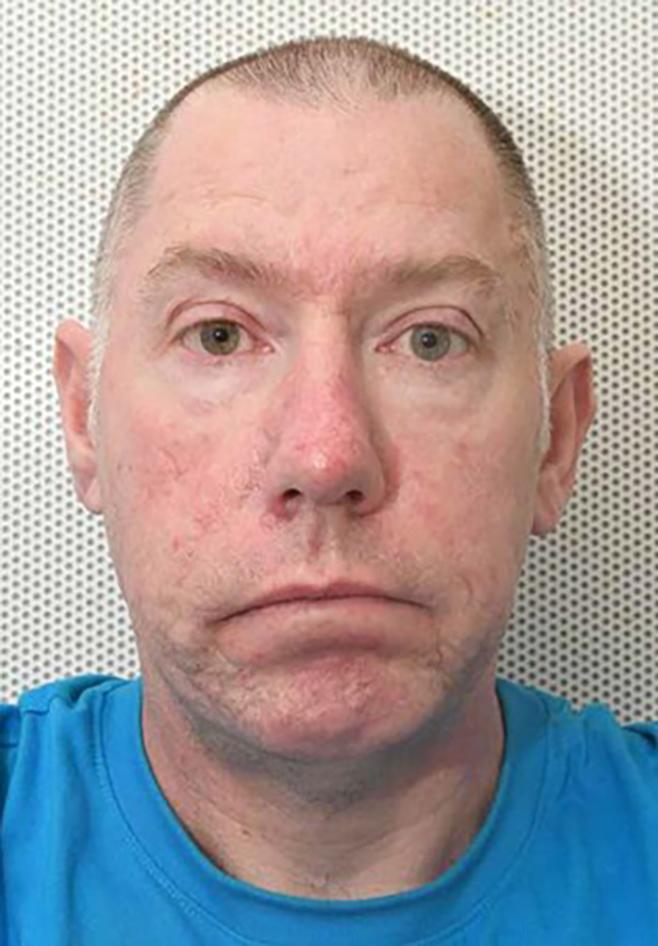
Greer was arrested in April and took his own life in May after he was investigated for anti-corruption inquiries.
It emerged that he was a violent rapist who carried out attacks and attempted murders of women over at least 14 years.
He first raped a woman in her home in Glasgow in 2012 after she called the police to report being the victim of a crime.
She reported Greer last year, stating that he returned to her home, alone, and raped her a few hours after uniformed police had attended her home.
In the weeks after the 2012 attack, he repeatedly monitored the woman’s file on the police database.
Mr Hay said: “Devastatingly, the shocking news that another police officer has been found to be a monster in a uniform demands meaningful reflection by the service.
“While people may always want to join the police, some of those are exactly the type not fit to hold a police warrant card or a position of authority and public trust.”
Measures to strengthen vetting procedures for police officers were updated earlier this year, giving the Chief Constable the powers to remove officers and staff who cannot maintain their vetting clearance.
All police officers will have to go through a structured regime of ongoing vetting.
But Mr Hay said those improvements, alongside better training and supervision, was a “door with only one lock” which was “not sufficiently secure”.
“In the post ‘Me Too’ era, I question whether enough has been done to convince women that the police will listen and act when they report sexual offending,” the Chief Superintendent added.
“Against a wider context of real-terms decline in police wages, declining police numbers, crumbling physical estate and increasing competition for suitable candidates in a declining working age population, without significant investment, there are questions about not only what sort of police service the people of Scotland want, but what sort of police officers they will have.”

In her annual report, Ms Farrell said 75% of respondents to the Your Police Survey had trust in Police Scotland, with 999 calls being answered within eight seconds despite the rise in calls.
The warnings come as the Scottish Government faces criticism over the loss of more than 1,000 local and regional police officers since the start of 2017.
Glasgow lost 242 local officers – almost a tenth of its local force – in the same timeframe.
READ NEXT:
-
Thugs targeted Chinese students in racist assault spree in Glasgow city centre
-
Man crashes car into tree after driving three times over limit
-
Sturgeon rules out prison visit as she says Murrell lied to her until guilty plea
-
NHS probing how convicted child rapist was able to abscond while on community leave
-
Notorious Glasgow child rapist traced after escaping from community leave

Pauline McNeill, the justice spokeswoman for Scottish Labour, said there was a “campaign of centralisation” within the police force which had been exacerbated by cuts from the Scottish Government.
She said: “The SNP must stop the cuts to local policing and make sure every force in Scotland has the officers it needs to keep our streets safe.”
A Scottish Government spokesman said arrest figures alone do not provide a “complete picture” of performance.
“Officers continue to respond robustly to crime and prioritise public safety, and the clear-up rate of 56.7% in 2025-26, the second highest on record, is a testament to the strength of policing,” he said.
“We are investing record funding of more than £1.7bn in policing this year, and the Chief Constable has confirmed that this will enable Police Scotland to maintain officer numbers at 16,500 while continuing to prioritise frontline services.
“Scotland continues to have more police officers per capita than England and Wales, and recorded crime has fallen by almost half since 1991.”


Share