



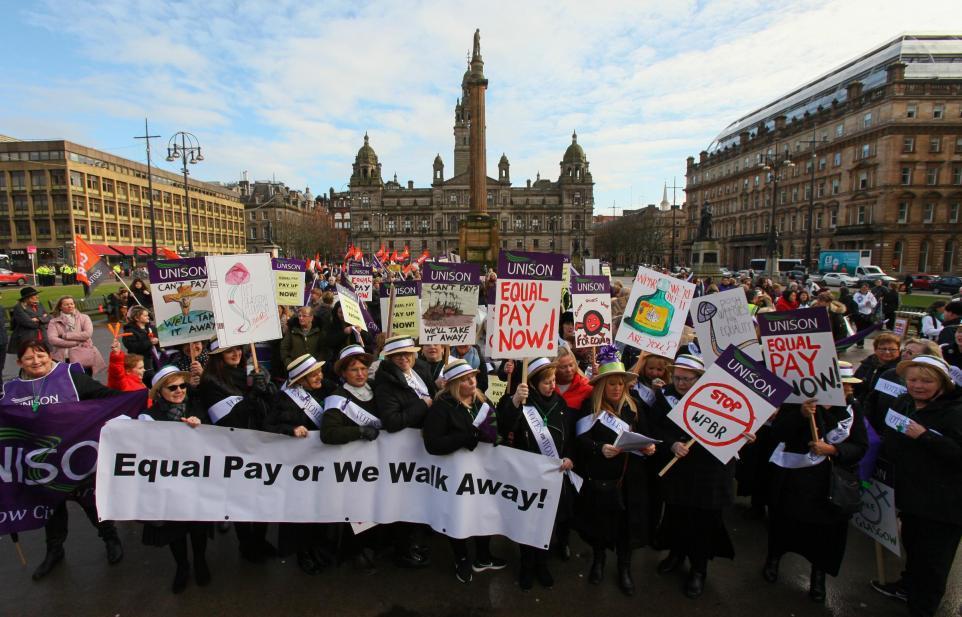

A new pay and grading structure aimed at finally resolving Glasgow City Council's long-running equal pay dispute is set to be considered this week.
The plan is expected to cost another huge sum of more than £100 million on top of what has already been paid out.
It will see more than one in ten workers, 11%, having their wages reduced and 65% getting an increase with 24% seeing little or no change.
Talks have been ongoing with the trade unions over the deal and how it will be implemented as councillors are asked to approve it this week.
READ NEXT: Glasgow Council's £32m bill after equal pay settlement
READ NEXT: Susan Aitken - equal pay deal 'worth the work and the cost'
READ NEXT: Ex-Glasgow council worker claims he was ‘cheated’ in pay dispute

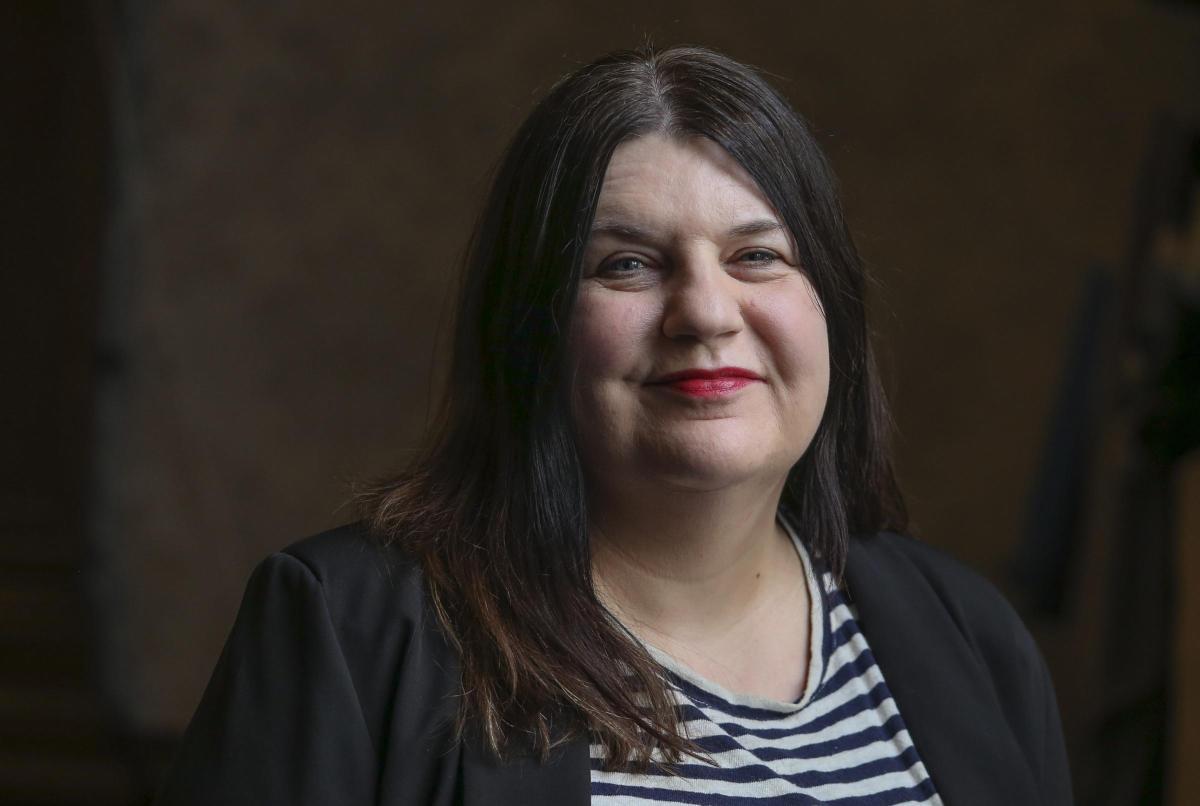
Susan Aitken, the council leader who put settling the equal pay dispute at the forefront of her leadership when the SNP took over the council in 2017, said the deal will protect the council from any litigation in the future.
The plan includes a whole new pay and grading system for the council, changing the number of salary bands from 11 to 12.
Staff will transition in tranches between now and April next year.
If workers are due more wages, it will be backdated until October 2023.
If they are to have their salary reduced, then the council has proposed pay protection for six months.
The bill for backdated payments is expected to be significant, and the council expects to borrow at least £100m to cover it.
With almost two-thirds of staff getting a rise it will mean the council’s wage bill will rise by around £65m in the first year, and it has to be met from the council budget.
Susan Aitken, leader of the council said it was the “culmination of an eight-year process addressing gender-based pay inequality”.
She said: “It is the end of a number of years of intense work with trade union colleagues.
“It has been longer and more complex than any of us expected. It threw up challenges and anomalies.”
She admitted not everyone will be pleased.
Aitken added: “For some it is not going to be good news. They will receive six months of pay protection. We have endeavoured to keep number so f losers as low as possible.”
She admitted, however, this will be “no consolation” to those moved to a lower pay grade, adding “It will be a shock to their household income”.
The equal pay issue has already cost the council around £770m covered by a property sale and lease back deal to borrow the money.
Aitken added: “I’m very conscious that, while this process is the end of a decades-long fight for equality for many of our staff, a smaller number are going to find it difficult.
“Where workers are facing a reduction in their earnings, that’s going to have a very real and very personal impact – and that’s something we all need to be mindful of.
“I’ve written to the Chief Executive to ask that we explore every possible mitigation, without compromising the integrity of the scheme.”
She said addressing the equal pay issue over the course of her leadership was necessary.
Aitken, who steps down as leader next month, added: “When I became leader in 2017, Glasgow was trying to outrun an equal pay problem that was not only always going to catch up with it, but was getting bigger and bigger every day.
“None of this has been easy, but I think it’s now generally accepted that the consequences of not stepping forward to negotiate in good faith would have been catastrophic.”


Share