




Drug treatment, older people’s day care and welfare rights services in Glasgow face huge cuts to deal with a massive budget shortfall.
A £100m Glasgow City Council budget deficit over three years has led to a massive shake-up of health and social care services in Glasgow.
The city’s Integration Joint Board overseeing HSCP services needs to find £10m savings this financial year and another £10m to be delivered at April1 2027
The savings options presented to the IJB this month total £5,041,660.
Every service is going through a process called STEP forward to move aways from a year after year ‘salami slicing’ approach to budget cuts.
Read more
'It's no joke it's a national emergency' MSPs debate male violence against women
Glasgow council leader says tackling men's behaviour is key to women's safety
'I'm so excited' Ricky Bell can't wait to get to work as new council leader
Glasgow councillors say violence against women is a man’s problem, not a woman's
In the first tranche of the programme older people’s day care services, welfare rights projects and the city’s Enhanced Drug Treatment programme face a major overhaul.
Jobs will be lost and services reduced, although there is a no compulsory redundancy policy.
Every individual service is being looked at and many will cease altogether or be reduced or redesigned.
The Glasgow Times spoke to Pat Togher, chief officer of the HSCP and Stephen Fitzpatrick, depute chief officer, who oversaw the review ahead of the paper due to be discussed by the IJB this month.
After decades of services being cut officers have taken a new approach in a bid to prioritise the necessary services and future proof their delivery.
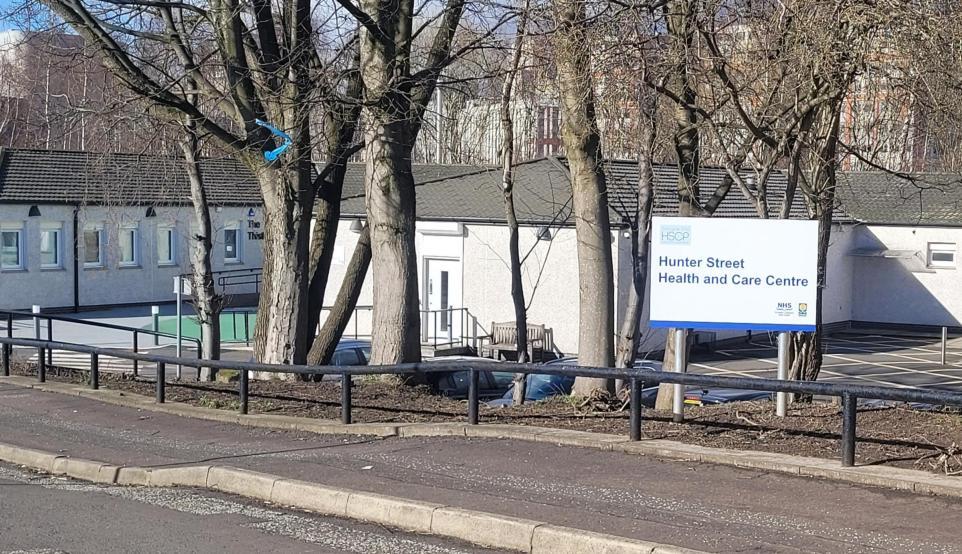
A key part of the plan affects the Enhanced Drug Treatment and the Complex Needs Service at Hunter Street, beside the Thistle consumption facility.
The two vital drug services will cease and a new service will be designed in a move which has proved controversial and health staff have lodged grievance procedures meaning the IJB is being asked to approve the change outwith the STEP forward programme.
The IJB is being asked to approve ending the £1.3m Enhanced Drug Treatment Service and the Complex Needs Service saving £850,000 and reinvesting £450,000 in a new combined service.
The Complex needs service costs £1.9m and the proposal is to reinvestment £750,000, making a saving of £1.16m.
As of early April 2026 the servcie was supporting 102 people.
But the review found: "There was specific concern regarding relatively small caseloads, even allowing for complexity of presenting need.
"Consequently there was concern regarding the value for money provided by the service in the context of the wider financial position of the HSCP."
Mr Fitzpatrick: added: "However, there was recognition that the service supports some of the city's most vulnerable, for whom there must be a continuing service offering."
The new combined successor service with would have a budget of £1.2 million.
The EDTS has saved lives and data shows success and closure is likely to be controversial.
In his report, Mr Fitzpatrick states there have been no deaths of people while in EDTS treatment and data shows reductions in street heroin and street benzodiazepine use.
There has been a drop of 79% in service users attending A&E, a drop in hospital bed days and analysis shows justice involvement reduced for many service users.
Contact with homelessness services reduced by 83% for current service users and by 96% for those who had moved on from EDTS.
He said: “These outcomes suggest improved stability, reduced acute service use, reduced substance-related harm and stronger engagement with wider support services.”
The review, however, found the EDTS has been underused, and it is thought the people who do use it can be better served.
Mr Togher said it was designed for 40 people but the average number has been just 25-27 and just 57 people have used it since it opened in 2019.
He said: “It was the right thing to stand the service up. given drug-related deaths. But in actual fact, other services have now moved on.
“We've got a much better understanding of harm reduction in this city. Naloxone is now distributed by everybody from kinship carers to elected members and police officers and across all of our third sector organisations operate in the city
He added: “So, 57 people in total over a six-and-a-half-year period, costing in excess of £9million is not best value for money when you've got £100million we need to save.”
The service will move from ten centres to four hubs.
The review stated there were 661 service users attending per month against a total capacity of around 1,500 places.
Moving to four hubs will save £2m from the current budget of £5.4m.
It has been noted that there is a risk of loss of local access for some service users, increased travel distances and journey times.
There is potential impact on carers and staff with risks identified of “anxiety for carers who rely on day care for respite, workforce displacement or role change”.
The third service affected in the first round to be considered by the IJB is Welfare Rights with a budget of £2.2m.
The service offers advice and support to pensioners and working-age people in poverty helping them access benefits and with appeals against decisions.
Last year it dealt with 6000 referrals more than 200 appeals and is estimated to bring more than £9m in additional benefits for people in the city.
The proposal is to reduce the service and concentrate on income maximisation and cut the activity dealing with pensioner poverty, training, appeals and private rented sector work.
It would generate a saving to the HSCP of just over £1m.
The plan, when discussed at the IJB on September 23 is likely to cause concern among staff, unions and people who rely on the services.
The officials state the financial reality demands radical action to ensure the sustainability of the overall HSCP services.
Mr Fitzpatrick said: “Audit Scotland’s most recent financial reporting on IJBs describes a critical financial position across Scotland, with cost and demand pressures continuing to outstrip available funding, reserves reducing and IJBs being required to make difficult decisions about how services are delivered, including where services may need to be redesigned, reduced or discontinued.
Mr Togher said: “What we're looking at here is effectively a redesign, a re-provisioning of the service.”
“We can't ignore £100 million. It's more than £100m and we still don't have a solution for homelessness at this point, so the £100m that's come out is, frankly, what informed the need for a programme like Step Forward.
“And I can't emphasise this enough. The IJB gave a direction for officers to come back with what a model would look like, as opposed to salami slicing, which is the description that the IJB were giving us. And that's where we came up with this model.
“Audit Scotland are saying to us, saying to the whole of Scotland, IJBs are not financially sustainable.
“There's an over-reliance on reserves, the budgets can no longer hypothecate for growth and demand and their recommendation is that a systematic review of all services should be undertaken with consideration given to cease options or reduce options.”


Share