





Find, save and share Public Notices that affect you in the area.
Search the Public Notice Portal What is the Public Notice Portal?What is the Public Notice Portal?
The Public Notice Portal carries statutory public notices published in local newspapers and is the fastest and most effective way of finding out what is happening in YOUR neighbourhood.
Search the Public Notice PortalIt has been hailed as the answer to Glasgow’s transport problems with ambitions to open up new routes and connect underserved communities across the city.
When it was first proposed by the Connectivity Commission in 2019, it was the flagship policy of a report by the expert group set up by then council leader, Susan Aitken.
Seven years later, exactly what the Clyde Metro will look like, where it will go, how much it will cost and how it will be funded are questions that remain unanswered.
The current situation is Strathclyde Partnership for Transport is carrying out a Case for Investment, another of the many desktop exercises that have and will take place before a shovel ever hits the ground.
Bruce Kiloh, head of policy and planning at SPT, has produced an “emerging finding” report for the Glasgow City Region Cabinet to consider at its latest meeting this week.

Read more
£2 bus fare cap will affect plans for Clyde Metro SPT warn
Ricky Bell admits city centre issues and pledges cash for safety and cleanliness
Glasgow city centre car parks to be free every weekend in December
It recommends those in the cabinet, made up of councillors from the councils in the Glasgow City Region, note “significant progress” in delivering the CFI and dialogue between partners.
Glasgow City Council carried out a feasibility study in 2020, one year after the Connectivity Commission recommended a Metro System.
Like subsequent reports, there was talk of “overarching strategies” and plans, “inclusive economic growth”, “carbon zero targets”, “modal shift and placemaking”, with each report “noting progress” and “informing the next stage”.
In 2022 the Scottish Government included it in its list of priority Transport projects.
Fast forward to 2026, the Case for Investment is still months away at best has left some frustrated at the pace of progress, with questions asked in the Scottish Parliament.

How much progress has been made and is there any idea what the final outcome will look like?
There is still no indication of exactly what routes the Clyde Metro will serve.
Mr Kiloh said “Network options” have been develop” which were “informed by 2.5 years of extensive analysis and engagement”.
There were 136 “priority place” identified where intervention could bring the greatest benefit.
Nine conceptual Network Options were then four for more detailed assessment.
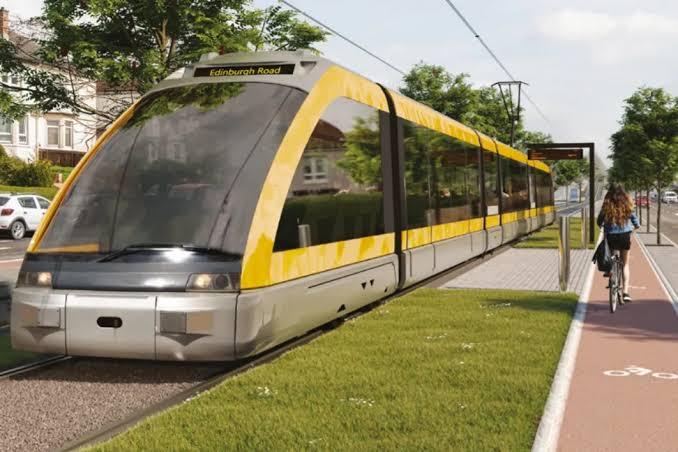
It is expected that a tram or light rail network will be the mode of transport but bus rapid transit and heavy rail conversions have been mentioned as well.
Mr Kiloh’s report states: “Findings from the work to date indicate that Light Rapid Transit (LRT), such as light rail /tram solutions, is likely to provide the most appropriate technology platform for Clyde Metro.”
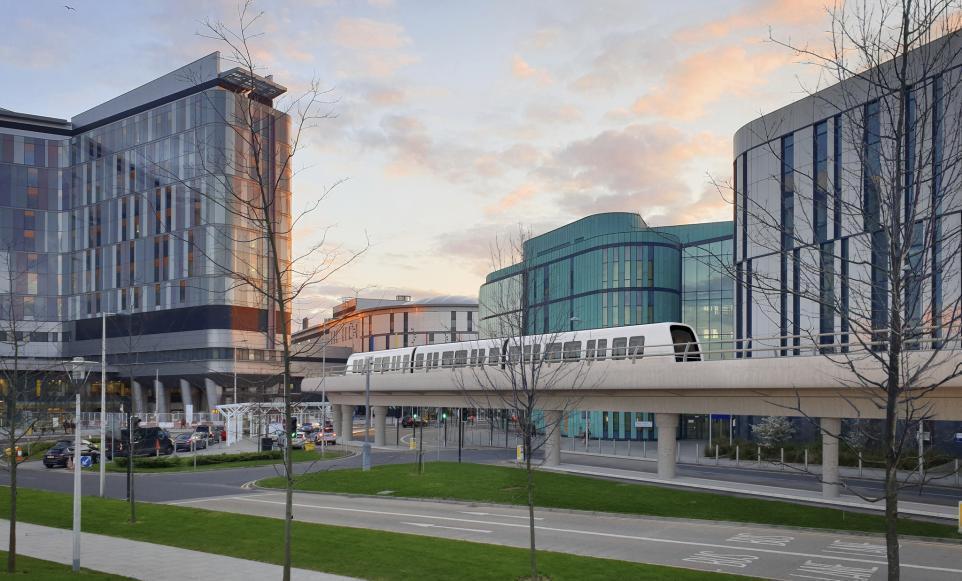
Whatever the final proposal is, it will join up with key transport interchanges already in operation.
He continued: “Given the scale and extent of the Glasgow City Region, Metro cannot serve all locations directly and therefore strong integration with rail, Subway and bus services will be critical to maximising connectivity and delivering the programme's wider economic, social and environmental benefits.”
The report also states that a link from Paisly Gilmour Street Station to Glasgow Airport will be part of the first phase of any scheme, which is the only certainly of any locations mentioned.
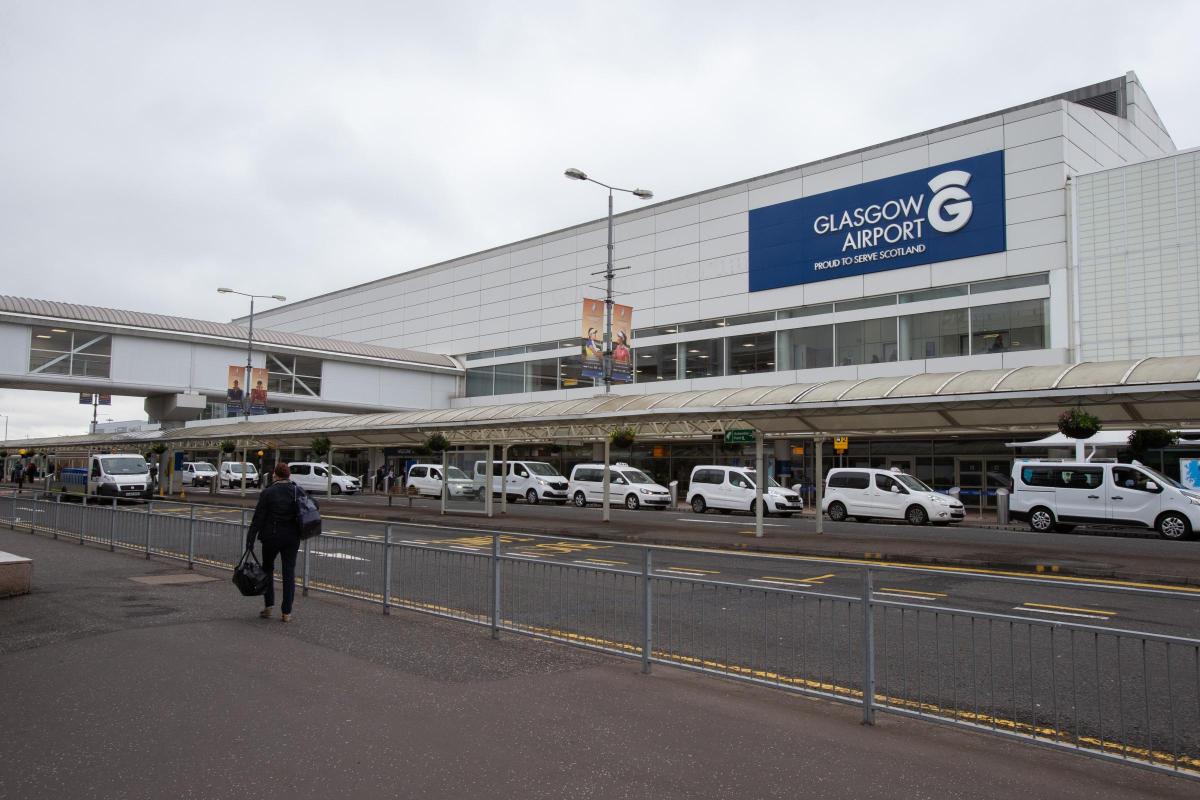
Mr Kiloh states a “key requirement of Clyde Metro is to enhance the public transport connectivity of Glasgow Airport.
“All network options will deliver new fixed link LRT connections to the Airport.”

Funding is always the biggest issue with any large infrastructure project and it is already mentioned that public funding alone will note cover the costs.
The project was given its biggest boost when Trasport Scotland included it is the Strategic Transport Projects Review in 2022.
Four years on and the picture of how much it will cost and where it will come from is no clearer.
The report states: “Currently, there is no committed funding or finance for Clyde Metro beyond the completion of the CFI.”
Work so far has considered public funding, money raised from fares and private sector investment have all been looked at.
The latest report states that money form fares and commercial revenues will not meet the full costs.
Mr Kiloh states: “Similarly, public sector funding remains critical but is likely to face competing demands and fiscal constraints. The work therefore concluded that a blended approach, drawing upon multiple funding and financing sources, will be required.”
So far more than £12m has been spent on the Case for Investment work.
Whatever plan comes out of the Case for Investment it will need he Scottish Government to give it the green light.
The current Transport Scotland position is that it is now the responsibility of SPT and Glasgow City Council to come up with a Case for Investment that the government can support.
While the work has already taken up several years and any final scheme will be several more years in the future, other big transport projects show these ideas can take a long time to come to fruition.
London Crossrail was first mooted in 1974. It then took 32 years from the first Parliamentary Bill in 1991 to being operational, including 14 years to build the infrastructure.
Manchester Trams took 10 years from the first formal study in 1982 to first operating in 1992. It was seven years from concept to approval and anther three for construction.
Edinburgh Trams project was first proposed in 1999 and took 15 years until it was approved, constructed and then opened to passengers.
Not all transport projects, however, take such a long time.
A major scheme to massively upscale the Metro in Madrid was done much quicker and at lower cost.
The Spanish city almost trebled the length of the Metro from 71 miles to 197 miles.
It did it in 12 years reportedly costing just under £10billion.
One of the reasons for the lower cost and accelerated timescale is put down to the city of Madrid having its own regional assembly and control over approving projects like the Metro without needing national government to decide and allocate funding.
The Glasgow Times asked SPT what are the 6 network options? Have any routes been identified? And is there any idea of how much it will cost?
An SPT spokesperson said: “SPT is making significant progress on the Case for Investment for the Clyde Metro and is currently discussing detailed network options with the project partners, Glasgow City Region and Transport Scotland.
“Future costs and funding are also being considered as we progress this work”


Share